












How Much Melatonin Should a Child Take at Night?
As a parent, you've likely tossed and turned at night, worrying about your child's sleep. It’s no wonder that many parents are turning to melatonin, a natural sleep - regulating hormone, in hopes of helping their little ones get a good night’s rest. But before you join the trend, it’s crucial to understand the facts.
Is it okay to give kids melatonin?
The short answer: it depends. Melatonin is generally considered safe for short - term use in children under the guidance of a healthcare provider. It can be effective for kids with specific sleep disorders, like delayed sleep - wake phase disorder, or for those who struggle with jet lag. However, children’s bodies are still developing, and their natural melatonin production can be easily disrupted. That’s why self - medicating is never a good idea. Always consult a pediatrician first to determine if melatonin is the right choice for your child.
How much melatonin do children need to take?
Unlike adults, children need a much smaller dose of melatonin. Typically, pediatricians recommend starting with a very small dose - usually between 0.5 and 3 mg, depending on the child's age, weight and reason for use. It is important not to exceed the prescribed dose, as high doses may cause side effects such as headaches, dizziness or changes in blood pressure.
The reasons for this are manifold. In today's digital age, children are exposed to blue light emitted by screens, which can suppress natural melatonin production and make it harder for them to fall asleep. In addition, irregular schedules, academic stress or traveling can disrupt their sleep patterns. Parents are eager to help their children get the sleep they need for growth and development, and melatonin is a potential solution.
Can melatonin change a child's behavior?
Yes, it can, but not always in a negative way. When children get better sleep thanks to melatonin (when used properly), they’re often more focused, less irritable, and better able to regulate their emotions. However, if the dose is too high or the child is sensitive to the supplement, it might cause daytime drowsiness or mood swings. This further emphasizes the importance of getting professional advice on dosage and usage.
Conclusion
The recommended melatonin dose for children varies by age and purpose (e.g., sleep disorders, ADHD). Typically, 0.5–3 mg taken 30–60 minutes before bedtime is safe under pediatric guidance.
For severe cases, a doctor may prescribe melatonin suppository forms (bypassing digestion) at lower doses. Always consult a physician—overuse can disrupt natural sleep cycles. Opt for child-friendly gummies or liquids with no additives.
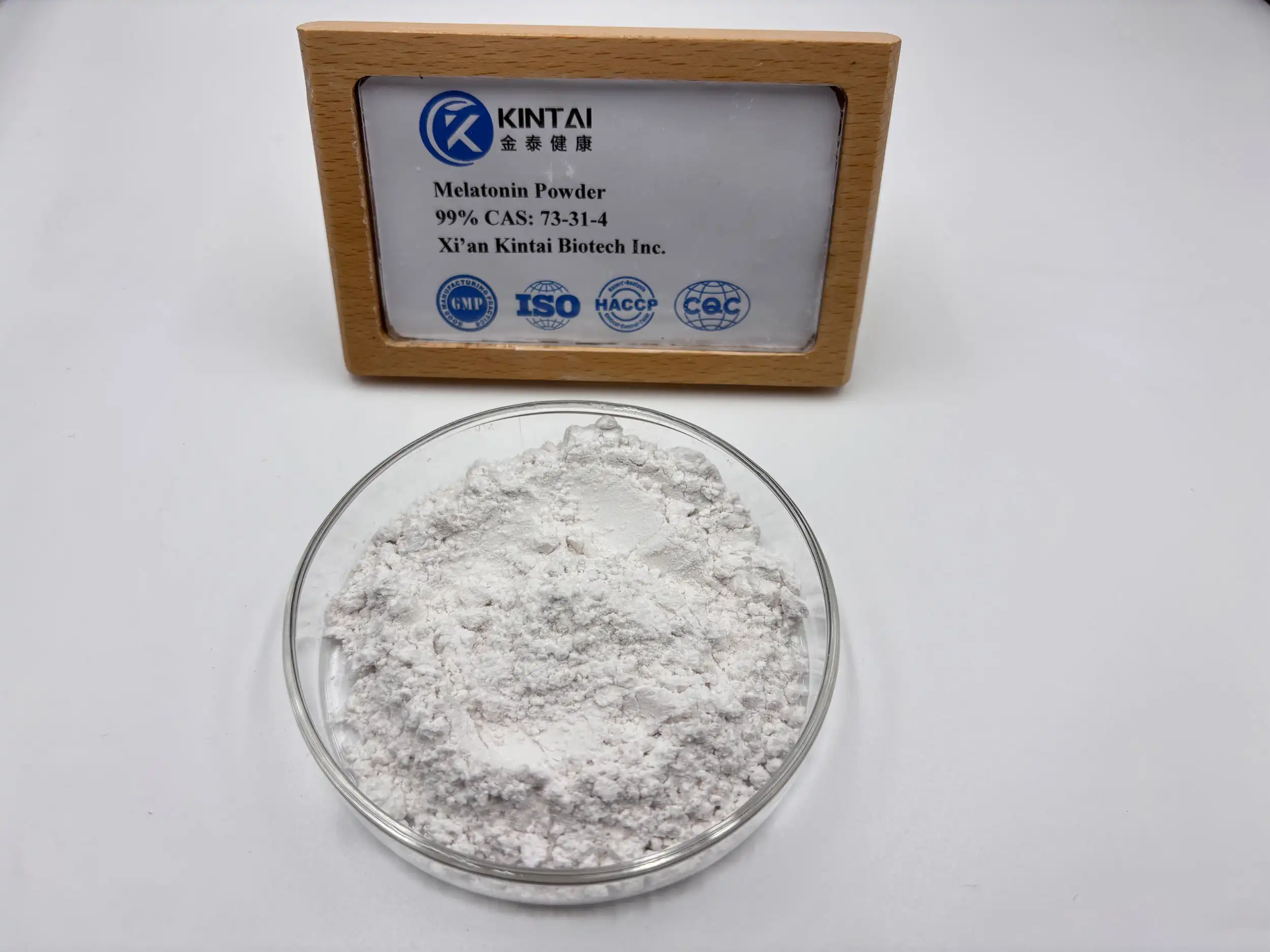
We understand the concerns of parents. Our high purity Melatonin Powder is the result of rigorous extraction and quality control processes. Sourced from natural origins and meeting international standards, it provides a reliable base ingredient for pediatricians and manufacturers looking to create safe, effective children’s sleep aids.
Whether you’re a supplement formulator aiming to develop child - friendly products or a medical professional seeking a trustworthy melatonin source, KINTAI’s Melatonin Powder is your go - to choice.
Ready to learn more about how our premium Melatonin Powder can meet your needs? Contact KINTAI today or visit our website for detailed product information and sample requests. Let’s work together to help children around the world sleep soundly and wake up refreshed!